
Cleaning condominium cellars and garages: the guide for property managers
Dusty cellars and oil-stained garages are the number one complaint from residents. Here is the professional plan: realistic frequencies, the right products and how to cut management costs.
Why 'dirty' common areas are expensive
For property managers, cellars and garages are a delicate chapter: nobody uses them daily, but everybody judges them. Built-up dust, cobwebs, oil stains and a damp smell generate complaints at owners' meetings and make management look neglected — even when everything else is in order.
The good news: these are simple surfaces to maintain. You need realistic frequencies and the right products, not big budgets.
Garage: the problem is oil, not dust
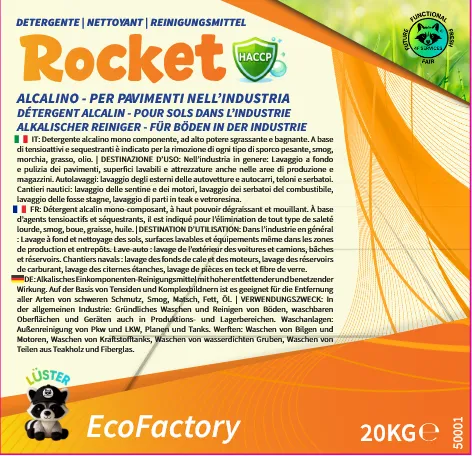
In condominium garages the critical dirt is greasy: engine oil drips, tyre marks and grime compact on the concrete and become slippery — a liability risk for the owners' association. Wash with an alkaline degreaser like Rocket at 10–20% on stains and 5% on the rest, once or twice a year, ideally with a single-disc machine.
For fresh stains reported by residents: absorbent granules immediately, then neat Rocket on a cloth. Acting the same day prevents a permanent stain.
Cellars and corridors: little product, right method
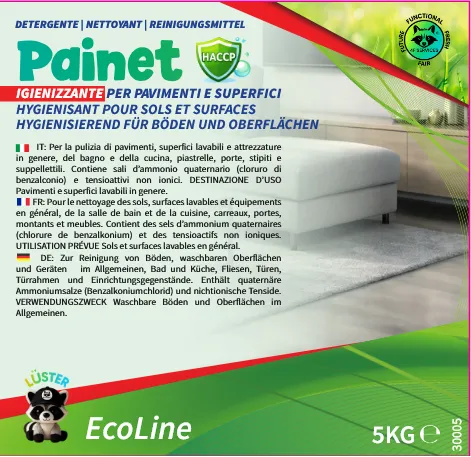
Cellars, corridors and technical rooms are maintained with a neutral low-foam detergent like Painet at 0.5–1%: one monthly pass is enough in most buildings. Be careful not to 'over-wash': excess moisture in cellars encourages mould and a musty smell. Better a small amount of product, well wrung out, plus ventilation.
For cobwebs and high dust (pipes, beams, corners): dust with a long-handle tool every 2–3 months, before washing the floor, never after.
The plan that cuts costs (and complaints)
A realistic plan for a medium-sized building: garage deep clean 1–2 times a year (degreasing), cellars and corridors monthly (neutral), high dusting quarterly, main stairs according to traffic. With Lüster concentrates one canister covers months of maintenance for a whole building: the cost per square metre becomes negligible compared to an emergency intervention.
Practical tip: post the cleaning schedule in the stairwell. Residents who see a written plan complain less and respect the spaces more.
FAQ
How often should a condominium garage floor be washed?
Deep degreasing 1–2 times a year with an alkaline product (Rocket), plus immediate action on fresh oil stains. Over-frequent washing with plenty of water is useless and creates damp: the right chemistry matters, not the amount of water.
How do I remove the musty, damp smell from cellars?
The smell comes from mould and bacteria on the floor and lower walls: wash with neutral detergent, dry/ventilate well and check the cause (water ingress or condensation). If mould is on the walls, a specific anti-mould treatment is needed first; detergent alone is not enough.
Cleaning company or caretaker with professional products?
It depends on size: for small and medium buildings, an in-house person with professional concentrates (and clear instructions) covers cellars and corridors at minimal cost. For large garages or deep cleaning with a single-disc machine, a company 1–2 times a year is worthwhile.